
Modern apartments and homes in Business Bay rely heavily on appliances that save time and effort. Among these, cloth dryers play a critical role in keeping laundry dry, hygienic, and ready for daily use. Beko cloth dryers are popular in Dubai for their reliability, energy efficiency, and advanced features. However, like any appliance, they can develop faults over time due to wear and tear, electrical issues, or improper maintenance.
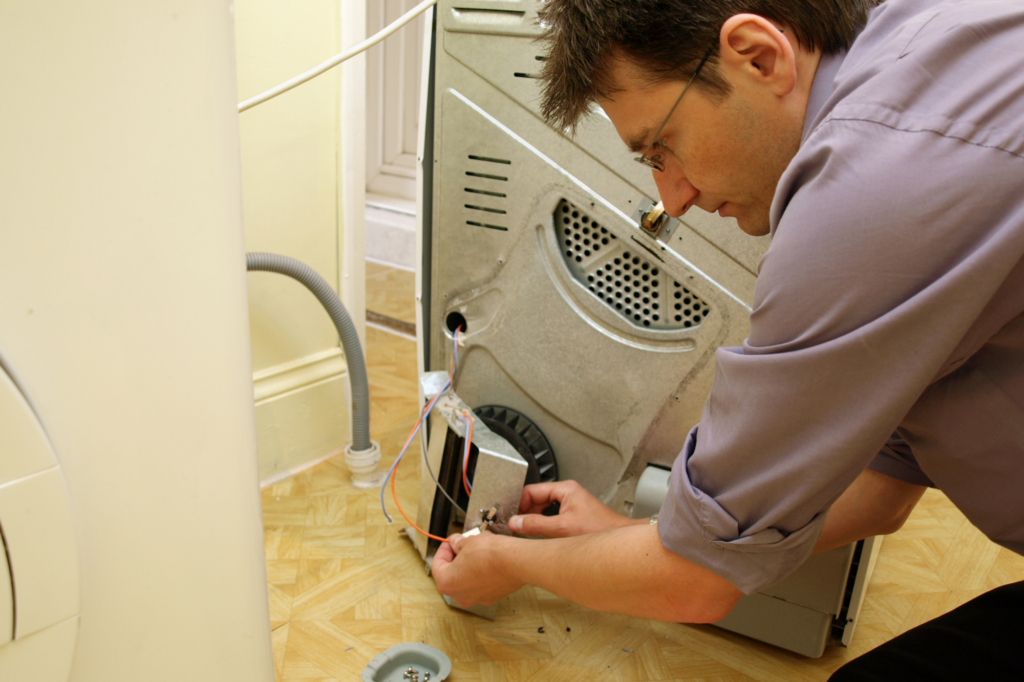
Understanding Beko Cloth Dryers
Beko offers a wide range of cloth dryers, including vented, condenser, and heat pump models. Each type has its own operational design and maintenance needs, making it important for homeowners to understand how they function to quickly spot and address potential problems.
How Beko Dryers Operate
- The drum spins continuously, ensuring clothes tumble evenly for thorough drying.
- A heating element warms the air before it circulates through the drum.
- Hot air passes through the garments, removing moisture efficiently.
- Depending on the model, moisture-laden air is either vented outside or collected in a built-in water tank.
- Built-in sensors constantly monitor temperature and moisture levels to adjust the drying cycle automatically.
Modern Beko dryers also feature advanced electronic control systems and safety mechanisms designed to prevent overheating, protect the motor, and maintain optimal performance over time.
Common Pain Points in Beko Cloth Dryers and Why Timely Repair Matters
Beko cloth dryers are reliable and efficient appliances, widely used in Business Bay households. Despite their durability, these dryers can develop issues over time due to regular wear, electrical fluctuations, or poor maintenance. Homeowners often face recurring problems that disrupt daily routines, increase electricity usage, and, if ignored, can escalate into costly repairs. Understanding these common problems and their consequences is essential for maintaining your dryer’s performance and safety.
1. Dryer Not Heating
One of the most frequently reported issues is a dryer that powers on but fails to produce heat. In this scenario, the drum rotates normally, but clothes remain damp even after a full cycle.
Potential causes include:
- Burnt or damaged heating element
- Faulty thermostat
- Blown thermal fuse
- Malfunctioning heater relay
Pain points for homeowners:
- Extended drying times disrupt daily routines
- Increased energy consumption due to repeated cycles
- Overworked motor, which can lead to permanent damage if the problem persists
Professional Beko Cloth Dryer Repair Business Bay services can accurately diagnose the heating system, safely replace defective components, and restore efficient operation. Early intervention prevents minor issues from turning into major malfunctions.
2. Dryer Stops Mid-Cycle
A dryer that suddenly shuts off before completing a cycle usually signals overheating or sensor malfunctions.
Typical causes:
- Blocked airflow due to lint accumulation
- Dirty or clogged condenser units
- Faulty temperature or moisture sensors
- Control board interruptions
Homeowner challenges:
- Laundry is left damp, requiring multiple drying attempts
- Repeated shutdowns place strain on the motor and electrical system
- Frustration and disruption to household schedules
Timely professional intervention ensures that airflow is restored, sensors are tested, and the control board functions properly, preventing repeated cycle interruptions.
3. Drum Not Rotating
If the dryer powers on but the drum does not spin, the problem may be mechanical or electrical in nature.
Possible causes:
- Broken or worn drive belt
- Damaged drum rollers
- Motor capacitor failure
- Worn-out motor bearings
Why this matters:
- Operating a dryer with a non-rotating drum can cause the motor to overheat
- Continued strain on mechanical parts may lead to permanent damage
- Clothes may not dry evenly, leading to additional cycles and wasted energy
Professional repair ensures that belts, rollers, and motor components are inspected and replaced as needed, restoring smooth and safe drum rotation.
4. Loud or Unusual Noises
While a mild humming is normal, unusual sounds such as grinding, squealing, or knocking often indicate mechanical wear or misalignment.
Common sources:
- Worn drum support rollers
- Faulty idler pulleys
- Motor bearings
- Loose internal panels or screws
Homeowner concerns:
- Loud noises disrupt the household, especially in apartments
- Ignoring mechanical wear can result in costly replacements
- Minor issues may escalate to motor or drum damage if left untreated
Professional technicians address the root causes, ensuring quiet and reliable operation. Routine maintenance and lubrication also help prevent future noise issues.
5. Dryer Not Starting at All
A completely unresponsive dryer is a major inconvenience and may indicate serious electrical faults.
Potential causes:
- Power supply issues or voltage fluctuations
- Faulty door lock or safety switch
- Control board failure
- Damaged internal wiring
Pain points:
- Laundry cannot be completed, causing daily disruption
- Attempting DIY fixes carries a risk of electrical shock
- Delay in professional service may result in more expensive repairs
Trained Beko Cloth Dryer Repair Business Bay technicians use diagnostic tools to safely identify the problem and restore full functionality.
Importance of Airflow
Proper airflow is critical for drying efficiency. Blocked vents, clogged ducts, and dirty condensers reduce performance and can lead to overheating.
Consequences of poor airflow:
- Extended drying times, causing frustration and wasted energy
- Overheating of the heater or motor, potentially damaging components
- Sensor malfunctions that trigger error codes or premature cycle termination
- Increased fire risk if lint accumulation becomes severe
Preventive measures:
- Clean the lint filter after every cycle
- Inspect and clean condenser units regularly
- Keep ventilation ducts clear and unobstructed
Routine professional maintenance ensures that airflow remains optimal, preventing common issues and prolonging the life of your dryer.
Why Professional Repair Matters
Beko dryers are sophisticated appliances with electrical, mechanical, and sensor-based systems. Ignoring minor issues or attempting DIY repairs can lead to:
- Electrical hazards and risk of shock
- Permanent damage to motor, control board, or heating system
- Voided warranty or higher future repair costs
- Repeated malfunctions that disrupt household routines
Professional Beko Cloth Dryer Repair Business Bay technicians have the expertise, tools, and knowledge to safely diagnose problems, replace worn components, and restore full functionality. Timely service prevents minor faults from turning into major breakdowns.
Residential vs. Commercial Dryer Repair
Business Bay residents may have either household or commercial dryers. Commercial units require specialized knowledge due to higher capacity, longer usage cycles, and more complex electronics. Professional technicians can handle both residential and commercial Beko dryers efficiently.
Common Beko Dryer Error Codes
Beko dryers are designed with advanced electronic systems that monitor every aspect of their operation. From temperature regulation to drum rotation, airflow, and moisture detection, these appliances continuously assess their performance. When something goes wrong, the dryer displays an error code on the control panel. These codes are not random; they are diagnostic tools that help homeowners and technicians quickly identify the source of a problem.
Understanding what each code means is crucial for timely intervention. Ignoring error codes can lead to serious consequences, including complete appliance failure, fire hazards, increased energy consumption, or expensive repairs. For residents in Business Bay, professional Beko Cloth Dryer Repair services rely heavily on these codes to perform accurate diagnostics and restore the dryer safely and efficiently.
Why Beko Dryer Error Codes Matter
Error codes serve as the appliance’s early warning system. They are designed to prevent further damage by alerting you to issues before they escalate. Common systems monitored by error codes include:
- Temperature regulation – ensuring the heater and thermostat work properly
- Moisture sensors – controlling drying cycles to avoid over- or under-drying
- Drum and motor operation – monitoring smooth rotation and detecting mechanical stress
- Airflow and ventilation – identifying blockages that could overheat the dryer
- Electrical circuits – detecting faults in control boards, relays, and safety switches
By acting on these warnings promptly, homeowners can prevent small problems from turning into major breakdowns.
Most Common Beko Dryer Error Codes
Here’s a detailed explanation of the most frequently encountered error codes, their potential causes, and solutions.
E1 – Temperature Sensor Error
What it means:
The dryer is unable to accurately read the internal temperature. This can cause inconsistent heating or premature cycle termination.
Common causes:
- Faulty thermistor or temperature sensor
- Damaged wiring connections
- Moisture or condensation affecting the sensor
Symptoms:
- Dryer stops unexpectedly
- Clothes remain damp despite a full cycle
- Overheating in certain sections
Professional solution:
Technicians test the resistance of the thermistor, inspect the wiring, and replace the sensor if necessary. Proper calibration ensures accurate temperature readings and safe drying cycles.
E2 – Heating Element Fault
What it means:
The heating system is malfunctioning, preventing the dryer from reaching the required temperature.
Common causes:
- Burnt heating element
- Blown thermal fuse
- Faulty heater relay
- Lint accumulation causing overheating
Symptoms:
- Dryer runs, but no heat is produced
- Clothes remain wet after long cycles
- Longer energy consumption due to repeated attempts
Professional solution:
Technicians inspect and replace faulty heating elements, fuses, or relays. Cleaning the dryer’s internal components also ensures consistent airflow and prevents future failures.
E3 – Airflow or Ventilation Problem
What it means:
The dryer has detected insufficient airflow, which can lead to overheating or poor drying performance.
Common causes:
- Blocked lint filter
- Clogged condenser unit
- Obstructed exhaust vents
- Internal lint accumulation
Symptoms:
- Longer drying cycles
- Overheating or sudden shutdowns
- Burning or musty odors
Professional solution:
A technician thoroughly cleans all airflow pathways, including vents, ducts, and condenser units. This restores proper circulation, protects the motor and heating element, and ensures safe operation.
E4 – Moisture Sensor Malfunction
What it means:
The dryer cannot accurately detect the moisture level in clothes, leading to over-drying or under-drying.
Common causes:
- Dirty or corroded moisture sensors
- Damaged sensor wiring
- Faulty sensor components
Symptoms:
- Clothes are still damp at the end of the cycle
- Dryer stops too early or runs longer than necessary
- Inconsistent drying results
Professional solution:
Cleaning, testing, or replacing the moisture sensor allows the dryer to monitor humidity accurately and adjust the drying cycle appropriately.
E5 – Motor or Drum Error
What it means:
The drum or motor is not functioning correctly, affecting rotation and drying efficiency.
Common causes:
- Motor overheating
- Broken drive belt
- Worn drum rollers
- Faulty motor capacitor
Symptoms:
- Drum fails to rotate or rotates intermittently
- Loud humming, grinding, or knocking noises
- Dryer stops mid-cycle
Professional solution:
Technicians check the motor, belt, and drum assembly. Any worn or damaged parts are replaced to restore smooth and efficient drum rotation.
E6 – Door Lock Failure
What it means:
The dryer cannot detect that the door is securely closed, preventing the appliance from starting.
Common causes:
- Broken door latch
- Faulty door switch or sensor
- Misaligned door
Symptoms:
- Dryer does not start
- Error code appears immediately after pressing the start button
Professional solution:
Replacing or realigning the door lock assembly restores safe operation and ensures the dryer only runs when the door is securely closed.
How Professionals Use Error Codes for Accurate Repair
Professional Beko Cloth Dryer Repair Business Bay technicians rely on error codes as part of a structured diagnostic process. This includes:
- Reading and interpreting brand-specific codes
- Inspecting sensors, motors, and electrical circuits
- Testing airflow, heating systems, and moisture sensors
- Replacing faulty parts with genuine components
- Running test cycles to ensure the dryer functions correctly
This method prevents repeated faults, reduces downtime, and ensures safe, efficient operation.
Preventive Measures to Reduce Error Codes
While professional repair is essential for persistent errors, homeowners can also take preventive steps:
- Clean lint filters after every cycle
- Inspect condenser units and vents regularly
- Avoid overloading the drum
- Schedule annual professional maintenance
- Use surge protectors in high-rise apartments to avoid electrical faults
Proactive maintenance reduces the likelihood of error codes and prolongs the life of the dryer.
Why Ignoring Error Codes is Risky
Ignoring error codes can lead to:
- Overheating and potential fire hazards
- Motor or control board burnout
- Inconsistent drying performance
- Higher energy bills due to repeated cycles
- Expensive, avoidable repairs
Responding promptly to error codes ensures the dryer operates safely, efficiently, and reliably.
Energy Efficiency and Cost Savings
Proper repair and maintenance improve energy efficiency. A dryer with clogged vents or faulty sensors consumes more electricity. Timely repair reduces energy bills and extends appliance lifespan.
When to Replace vs. Repair
While repair is usually cost-effective, replacement may be more sensible when:
- The dryer has recurring major faults
- The motor or control board is severely damaged
- Energy efficiency is significantly lower than modern models
Technicians can advise whether repair or replacement is the best option.
Frequently Asked Questions
1. How long does Beko dryer repair take?
Most common repairs, like sensor replacement or drum belt repair, can be completed within 1–2 hours. Complex electrical issues may take longer.
2. Can I fix error codes myself?
Minor issues like cleaning lint filters may help, but error codes usually indicate technical faults that require professional diagnostics.
3. Why is my dryer taking longer to dry clothes?
Blocked airflow, clogged condensers, or heating element problems are the most common causes.
4. How often should I service my Beko dryer?
Professional inspection is recommended at least once a year, with routine cleaning after every cycle.
5. Is professional repair expensive?
Repair costs are generally lower than replacement, especially when addressed early. Local technicians in Business Bay provide transparent pricing.
Get Fast and Reliable Beko Cloth Dryer Repair in Business Bay Today
A Beko cloth dryer is an essential household appliance, but issues such as heating failure, drum problems, error codes, or airflow blockage can disrupt your daily routine. Timely professional repair in Business Bay ensures safe operation, energy efficiency, and long-lasting performance.
Regular maintenance, early diagnosis, and professional service are key to keeping your Beko dryer running efficiently and reliably. Schedule repair today and enjoy hassle-free laundry with experts you can trust.