
A refrigerator is one of the most important appliances in any home because it keeps food, drinks, vegetables, dairy products, and other perishables at a suitable temperature. When your Beko refrigerator starts making unusual noises, stops cooling, develops excessive frost, leaks water, or runs continuously, getting the problem checked quickly can help prevent food spoilage and further appliance damage.
Our Beko Fridge and Refrigerator Repair The Lakes service provides professional assistance for homeowners experiencing refrigerator problems. Our technicians inspect the appliance, identify the likely cause, explain the required repair, and work to restore reliable cooling performance.
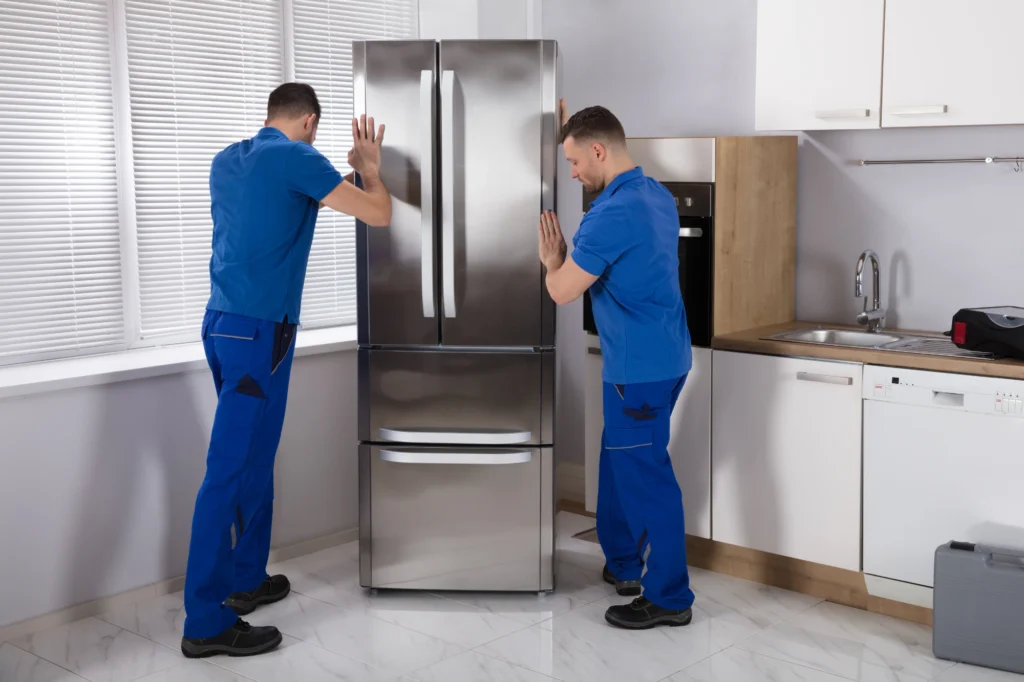
Whether you have a standard Beko fridge, fridge freezer, frost-free refrigerator, or another Beko refrigeration model, professional diagnosis can help determine whether the problem is related to temperature settings, airflow, door seals, sensors, fans, compressor operation, or another component.
Why Timely Beko Refrigerator Repair Matters
A refrigerator can sometimes continue operating even when its cooling performance is declining. You may notice that food is not as cold as usual, the compressor runs for unusually long periods, or frost begins appearing in places where it normally should not.
Beko advises checking simple causes such as temperature settings, door closure, frequent door opening, hot food placement, and airflow before arranging service. If the issue continues, professional assistance may be required.
Delaying repair can result in:
- Food spoiling faster
- Uneven refrigerator temperatures
- Excessive electricity consumption
- Water or condensation problems
- Heavy frost buildup
- Continuous compressor operation
- Unpleasant refrigerator odors
- Additional component damage
Professional Beko Fridge and Refrigerator Repair The Lakes service can help identify the problem before it becomes more complicated.
Common Beko Fridge Problems We Repair
1. Beko Refrigerator Not Cooling
One of the most common refrigerator complaints is inadequate cooling. The appliance may be running, but the interior does not become cold enough.
Possible causes can include incorrect temperature settings, blocked airflow, damaged door seals, fan problems, condenser issues, or compressor-related faults.
Beko recommends checking temperature settings, door seals, loading, and airflow first. If the refrigerator remains warm, components such as the compressor, evaporator fan, or condenser system may require professional inspection.
2. Refrigerator Freezer Is Cold but Fridge Is Warm
Sometimes the freezer continues working while the refrigerator compartment becomes warmer than expected. This can be associated with airflow, temperature settings, frost buildup, or a fan-related problem.
A technician can inspect the cooling system and airflow path to determine why cold air is not reaching the refrigerator section properly.
3. Beko Fridge Is Too Cold
Not every cooling problem means the refrigerator is too warm. Sometimes food begins freezing inside the fridge compartment.
Incorrect temperature settings, airflow problems, damaged seals, or temperature-control issues may contribute to excessive cooling. Beko recommends a fridge temperature around 3°C–5°C for many models, although the correct setting should always be checked against the specific appliance instructions.
4. Refrigerator Making Loud or Strange Noises
Some refrigerator sounds are normal, including certain bubbling, flowing, or humming sounds caused by refrigerant movement and normal operation. However, sudden grinding, rattling, buzzing, or unusually loud sounds may require inspection.
Possible causes include fan interference, mechanical problems, uneven positioning, or compressor-related issues.
5. Beko Refrigerator Running Continuously
If your refrigerator seems to run almost all the time, the cause may be simple or technical.
Beko identifies several possible reasons, including high room temperature, frequent door opening, recently added food, incorrect temperature settings, doors that are not fully closed, and worn or damaged door seals.
If these basic factors are not responsible, professional diagnosis may be needed.
6. Excessive Frost or Ice Buildup
Heavy frost can interfere with airflow and reduce cooling efficiency. It may occur because of frequent door opening, a door that does not seal correctly, a defrost-related issue, or another refrigeration fault.
A technician can determine whether the buildup is caused by usage conditions or an internal component problem.
7. Water Leaking Inside the Refrigerator
Water inside or underneath a refrigerator should not be ignored. It may be related to a blocked drainage path, condensation, defrost water, or another issue.
The source of the water should be identified before the appliance continues operating normally.
8. Refrigerator Door Not Closing Properly
A door that remains slightly open can allow warm air to enter continuously. Beko troubleshooting guidance notes that food packages can obstruct the door, while an unlevel appliance can also prevent proper closure.
Damaged or worn door gaskets can also cause the refrigerator to work harder to maintain its temperature.
9. Beko Refrigerator Not Turning On
If your refrigerator is completely unresponsive, the first things to check are the power connection and fuse. Beko manuals list an improperly connected plug and blown fuse among possible causes when the refrigerator does not operate.
If the power supply is normal but the appliance still does not operate, professional diagnosis may be required.
10. Bad Smell Inside the Refrigerator
Unpleasant smells can develop when expired food, uncovered liquids, or food packaging remains inside the refrigerator for extended periods.
Beko recommends regular cleaning, removing spoiled food, and keeping foods containing liquids in sealed containers.
If the odor remains despite proper cleaning, the appliance should be inspected for drainage or moisture-related problems.
Pain Points Caused by a Faulty Beko Refrigerator
A refrigerator problem can affect much more than food storage. Common customer concerns include:
Food Spoilage
When the refrigerator does not maintain a suitable temperature, fresh groceries can spoil sooner than expected.
Higher Electricity Bills
A refrigerator that operates excessively or continuously may consume more electricity than normal.
Unstable Temperatures
Food may freeze in some areas while remaining too warm in others, making it difficult to store groceries properly.
Water and Moisture
Leaks or excessive condensation can affect shelves, flooring, cabinets, and nearby kitchen areas.
Constant Noise
Unexpected sounds from the compressor, fan, or other components can make an otherwise quiet kitchen uncomfortable.
Fear of Expensive Replacement
Many homeowners immediately assume that a cooling problem means they need a new refrigerator. Professional diagnosis can determine whether a repair is practical.
Beko Refrigerator Error and Warning Indicators
Beko refrigerators use different control panels and warning systems depending on the model. Some models have an error-condition indicator that can activate when the refrigerator cannot provide adequate cooling or when a sensor problem is detected.
Temperature or Cooling Warning
A warning indicator may appear when the appliance detects inadequate cooling. On some models, the indicator can also temporarily appear after warm food is placed inside or when the door has been left open for an extended period.
If the warning disappears after the refrigerator returns to normal temperature, it may not indicate a component failure.
Sensor-Related Warning
Some Beko models can display an error indication when a temperature sensor detects a problem. Because the exact display and diagnostic system differ between models, the appliance model number should be checked before interpreting any specific warning.
Door Alarm
Beko refrigerators may produce an audible warning when a refrigerator door remains open for too long. Closing the door normally stops the alarm.
Cooling Failure Indicator
If an error indicator remains active and the refrigerator is not cooling correctly, the appliance may require professional inspection. Beko’s documentation advises contacting service if troubleshooting does not resolve the problem.
Important: Beko refrigerator error indicators and codes are model-specific. A displayed symbol should not automatically be interpreted using a code from another Beko model.
What To Do If Your Beko Refrigerator Stops Cooling
Before arranging Beko Fridge and Refrigerator Repair The Lakes, you can perform a few basic checks:
- Make sure the refrigerator is connected securely to power.
- Check whether the electrical supply and fuse are working.
- Confirm that the temperature setting is appropriate.
- Make sure the refrigerator and freezer doors close completely.
- Check whether food packages are blocking the door.
- Avoid placing large quantities of hot food inside.
- Make sure the refrigerator is not excessively packed.
- Check for unusual frost or visible water.
- Listen for unusual sounds from the appliance.
- If cooling does not return to normal, arrange professional inspection.
Beko specifically recommends professional service when troubleshooting does not resolve persistent refrigerator problems and advises users not to attempt repairs themselves.
Our Beko Refrigerator Repair Process in The Lakes
Step 1: Initial Problem Assessment
We begin by understanding the symptoms, such as poor cooling, excessive frost, unusual noise, water leakage, or continuous operation.
Step 2: Refrigerator Inspection
The technician checks the appliance and examines relevant areas based on the reported symptoms.
Step 3: Fault Diagnosis
Possible causes may include temperature-control problems, fan issues, door-seal problems, drainage restrictions, sensor faults, or cooling-system components.
Step 4: Repair Recommendation
Once the problem has been identified, we explain the recommended repair and the components that may need attention.
Step 5: Professional Repair
The required repair is completed using suitable tools and compatible replacement components where necessary.
Step 6: Performance Testing
After the repair, the refrigerator is checked to ensure that the cooling system and relevant functions are operating correctly.
Beko Refrigerator Types We Can Service
Our Beko Fridge and Refrigerator Repair The Lakes service can assist with a range of Beko refrigerator configurations, including:
- Single-door refrigerators
- Double-door refrigerators
- Fridge freezers
- Frost-free refrigerators
- Top-freezer models
- Bottom-freezer models
- Side-by-side refrigerators
- French-door refrigerators
- Multi-zone refrigerators
The exact repair approach depends on the appliance model and the specific fault.
Why Choose Our Beko Fridge Repair Service in The Lakes?
Experienced Technicians
Our technicians are familiar with common refrigerator problems and use systematic diagnosis to identify the likely cause.
Convenient Doorstep Assistance
Large refrigerators are difficult to transport. Our repair service is designed to provide convenient assistance at your location in The Lakes.
Accurate Diagnosis
We focus on finding the underlying issue instead of automatically recommending replacement.
Quality Replacement Components
When a component needs replacement, suitable parts are selected according to the appliance and repair requirement.
Transparent Service
We explain the identified problem and recommended repair before proceeding.
Support for Common Beko Refrigerator Faults
From poor cooling and excessive frost to door, drainage, temperature, and operational issues, we can assist with a wide range of Beko refrigerator problems.
How to Maintain Your Beko Refrigerator
Regular care can help maintain efficient refrigerator performance.
Keep the Door Closed
Avoid leaving the refrigerator door open longer than necessary. Frequent or prolonged opening allows warm air to enter and can make the appliance work harder.
Do Not Overload the Refrigerator
Leave enough space for cold air to circulate around stored food.
Check the Door Gasket
Inspect the door seal regularly for dirt, cracks, looseness, or other visible damage.
Avoid Storing Hot Food
Allow hot food to cool appropriately before placing it inside the refrigerator.
Keep the Interior Clean
Remove expired food and clean spills promptly to prevent odors and hygiene issues.
Check Temperature Settings
Make sure the refrigerator is set according to the manufacturer’s recommended temperature for your specific model.
Do Not Ignore Warning Indicators
If a warning remains active or the refrigerator is not cooling properly, arrange professional diagnosis rather than repeatedly resetting the appliance.
Repair or Replace Your Beko Refrigerator?
A refrigerator fault does not automatically mean replacement is necessary.
Repair May Be Suitable When:
- The refrigerator is otherwise in good condition.
- The problem involves a replaceable component.
- The appliance has not experienced repeated major failures.
- The repair cost is reasonable compared with replacement.
Replacement May Be Worth Considering When:
- The appliance is very old.
- Major components have repeatedly failed.
- Repair costs are disproportionately high.
- The refrigerator has extensive physical or internal damage.
A professional inspection can help you make a more informed decision.
Benefits of Professional Beko Refrigerator Repair
Choosing professional Beko Fridge and Refrigerator Repair The Lakes service can provide:
- Accurate troubleshooting
- Convenient doorstep assistance
- Safer technical repairs
- Reduced risk of unnecessary part replacement
- Improved cooling performance
- Less food spoilage
- Reduced disruption to your household
- Better long-term appliance reliability
Frequently Asked Questions
1. Do you provide Beko Fridge and Refrigerator Repair The Lakes services?
Yes. We provide professional Beko Fridge and Refrigerator Repair The Lakes services for common cooling, temperature, door, drainage, frost, noise, and operational problems.
2. Why is my Beko refrigerator not cooling?
Possible causes include incorrect temperature settings, excessive door opening, poor airflow, damaged door seals, fan problems, condenser issues, or compressor-related faults. Beko recommends checking basic factors first before arranging service.
3. Why is my Beko fridge running continuously?
High room temperature, frequent door opening, hot food, incorrect temperature settings, an improperly closed door, or a damaged door seal can cause longer running periods. If the problem continues, professional inspection may be necessary.
4. Why is my Beko refrigerator too cold?
Check the temperature setting first. If the refrigerator continues freezing food after the setting is adjusted, there may be a temperature-control, airflow, sensor, or seal-related problem.
5. Why is my freezer cold but my refrigerator warm?
This can be caused by restricted airflow, frost buildup, temperature settings, or a fan-related problem. A technician can inspect the cooling and air-distribution system.
6. Why is my Beko refrigerator making loud noises?
Some sounds are normal during refrigeration and defrost cycles. However, sudden or unusually loud grinding, rattling, or buzzing should be inspected if it continues.
7. Why is water collecting inside my Beko refrigerator?
Water may result from condensation, drainage restrictions, or another refrigerator fault. The source should be identified if water continues accumulating.
8. Why is my Beko refrigerator door not closing?
Food packages may be blocking the door, the refrigerator may not be level, or the door gasket may be damaged or incorrectly positioned. Beko lists these among possible causes of door-closing problems.
9. Does Beko refrigerator warning light always mean a major fault?
No. Some warning indicators can appear temporarily after warm food is placed inside or after the door has remained open. If the warning remains active or cooling is inadequate, professional diagnosis may be needed.
10. Can you repair different types of Beko refrigerators?
Yes. We can assist with different Beko refrigerator and fridge-freezer configurations, subject to the model and specific repair requirement.
11. Should I repair or replace my Beko refrigerator?
The decision depends on the refrigerator’s age, condition, fault, repair cost, and availability of suitable components. A professional diagnosis can help determine the more practical option.
12. When should I call a Beko refrigerator technician?
Arrange professional service when your refrigerator remains warm, freezes food unexpectedly, leaks water, develops excessive frost, runs continuously, makes unusual noises, displays a persistent warning, or stops operating.
Get Professional Beko Fridge Repair in The Lakes
A refrigerator problem can quickly become stressful when food is at risk and the appliance is no longer maintaining a reliable temperature. Our Beko Fridge and Refrigerator Repair The Lakes service is designed to provide convenient diagnosis and professional assistance for a wide range of Beko refrigerator problems.
Whether your Beko fridge is not cooling, running continuously, making unusual noises, leaking water, developing excessive frost, or showing a warning indicator, contact our team for professional inspection and repair.
Book your Beko refrigerator repair in The Lakes today and get your appliance back to dependable performance.