
A dishwasher is one of the most essential kitchen appliances in modern homes, especially in fast-growing communities like Dubai Creek Harbour. Among popular brands, Beko dishwashers are widely trusted for their energy efficiency, compact design, and reliable performance. However, like all appliances, they can develop faults over time due to regular usage, water quality issues, electrical fluctuations, and lack of maintenance.

Understanding Beko Dishwashers
Beko is a well-known European home appliance brand that offers innovative dishwashers designed for modern households. These machines are built with smart wash programs, eco-friendly water usage, and advanced cleaning technology.
In Dubai Creek Harbour, Beko dishwashers are especially popular due to:
- Limited kitchen space in apartments
- Busy working lifestyles
- High hygiene expectations
- Water efficiency needs
Despite their reliability, frequent usage and environmental conditions can lead to technical issues.
Most Common Beko Dishwasher Pain Points
Beko dishwashers are known for their efficiency and affordability, but like any household appliance, they can develop issues over time. Understanding the most common problems helps homeowners identify faults early, avoid costly repairs, and maintain optimal performance.
Dishwasher Not Cleaning Properly
One of the most frequent complaints among users is that the dishwasher completes its cycle, but dishes remain dirty, greasy, or covered with residue. This issue can be frustrating, especially when the appliance appears to be functioning normally.
Causes:
- Blocked spray arms: Spray arms distribute water throughout the dishwasher. If they are clogged with food particles or mineral deposits, water cannot reach all dishes effectively.
- Dirty filters: Filters trap food debris, preventing it from redepositing on dishes. When clogged, they reduce cleaning efficiency.
- Low water pressure: Insufficient water pressure prevents proper rinsing and cleaning.
- Faulty circulation pump: This pump is responsible for pushing water through the spray arms. If it fails, cleaning performance drops significantly.
Impact:
When a dishwasher fails to clean properly, it defeats its primary purpose. Users may need to rewash dishes manually, leading to wasted time, water, and energy. Over time, this issue can also result in unpleasant odors due to food buildup inside the machine.
Dishwasher Not Draining Water
Another common issue is when water remains inside the dishwasher after the cycle ends. Standing water at the bottom of the appliance is a clear sign of a drainage problem.
Causes:
- Clogged drain hose: Food particles or grease can block the hose, preventing water from draining.
- Faulty drain pump: If the pump is damaged or worn out, it cannot remove water efficiently.
- Food debris buildup: Accumulation of debris in filters or sump areas can obstruct water flow.
Impact:
Water that does not drain properly can lead to several problems. It creates a foul smell inside the dishwasher and can promote bacterial growth. Additionally, it makes the appliance unusable for subsequent cycles until the issue is resolved. In severe cases, it may also cause water overflow or leakage.
Dishwasher Not Starting
A dishwasher that does not start at all can be a major inconvenience. This issue often indicates electrical or mechanical failure.
Causes:
- Door latch issues: Dishwashers are designed not to start unless the door is securely closed. A faulty latch prevents operation.
- Electrical supply problems: Power issues such as a tripped circuit breaker, damaged power cord, or faulty outlet can stop the dishwasher from turning on.
- Control board failure: The control board acts as the brain of the appliance. If it malfunctions, the dishwasher may not respond to commands.
Impact:
When the dishwasher does not start, it becomes completely unusable. This disrupts daily routines, especially in households that rely heavily on the appliance. Diagnosing this issue may require professional assistance, particularly if the control board is involved.
Water Leakage
Water leakage is a serious issue that should never be ignored. Even minor leaks can cause significant damage over time.
Causes:
- Damaged door seal: The rubber gasket around the door prevents water from escaping. If it is worn or cracked, leaks can occur.
- Loose hose connections: Hoses that supply or drain water may become loose or damaged.
- Cracked tub: Physical damage to the dishwasher tub can lead to water escaping during operation.
Impact:
Leaks can damage kitchen flooring, cabinets, and nearby appliances. Prolonged exposure to moisture can also lead to mold growth and structural damage. In addition to repair costs, water leakage can pose safety risks, especially near electrical components.
Strange Noises
Dishwashers are designed to operate quietly, so unusual sounds such as grinding, humming, or rattling indicate a problem.
Causes:
- Pump issues: A malfunctioning pump can produce loud or unusual noises during operation.
- Foreign objects: Small items like broken glass, bones, or utensils can get stuck inside the dishwasher components.
- Motor wear: Over time, the motor may wear out, leading to increased noise levels.
Impact:
Strange noises often signal underlying mechanical issues that may worsen if ignored. While the dishwasher may still function temporarily, continued use can lead to more severe damage and costly repairs. Addressing the issue early can prevent complete component failure.
Causes of Frequent Dishwasher Breakdowns
- Hard water buildup
- Skipping regular cleaning
- Overloading dishes
- Using incorrect detergent
- Ignoring early warning signs
Signs You Need Repair Immediately
- Water leakage
- Burning smell
- Dishes remain dirty
- Machine not starting
- Loud grinding noises
If you notice these signs, contact Beko dishwasher Repair Dubai Creek Harbour immediately.
Beko Dishwasher Error Codes
Modern Beko dishwashers are equipped with advanced diagnostic systems that display error codes when something goes wrong. These codes are extremely helpful because they point directly to the source of the problem, making troubleshooting faster and more accurate. Understanding these error codes can save time, reduce repair costs, and help you decide whether a simple fix or professional service is required.
E01 – Water Inlet Error
This error indicates that the dishwasher is not receiving enough water or no water at all.
Causes:
- Closed or partially closed water supply valve
- Kinked or blocked inlet hose
- Faulty water inlet valve
- Low water pressure
Solution:
Start by checking if the water tap is fully open. Inspect the inlet hose for bends or blockages. If the problem persists, the inlet valve may need replacement. Ensuring proper water pressure is also essential for smooth operation.
E02 – Drainage Issue
E02 appears when the dishwasher fails to drain water properly.
Causes:
- Blocked drain hose
- Clogged filters
- Faulty drain pump
- Food debris buildup
Solution:
Clean the filters thoroughly and check the drain hose for clogs. If water still does not drain, the drain pump may be defective and require professional repair or replacement.
E03 – Heating Error
This error means the dishwasher is unable to heat water to the required temperature.
Causes:
- Faulty heating element
- Defective thermostat
- Wiring issues
- Control board malfunction
Solution:
Heating issues usually require technical expertise. While you can check for loose connections, it is recommended to call a technician to inspect the heating element and thermostat.
E04 – Overflow or Leakage Detection
E04 indicates that the dishwasher has detected excess water or a leak.
Causes:
- Damaged door seal
- Internal leakage
- Overfilling due to faulty sensors
- Loose hose connections
Solution:
Turn off the dishwasher immediately and disconnect it from power. Check for visible leaks and tighten hose connections. If the issue continues, professional inspection is necessary to prevent further damage.
E05 – Spray Arm or Pump Issue
This code appears when water circulation inside the dishwasher is disrupted.
Causes:
- Blocked spray arms
- Faulty circulation pump
- Debris stuck inside components
Solution:
Remove and clean the spray arms to ensure they rotate freely. If the problem remains, the circulation pump may need repair or replacement.
E06 – Door Switch Problem
The dishwasher cannot start because it detects that the door is not properly closed.
Causes:
- Faulty door latch
- Misaligned door
- Damaged door switch
Solution:
Ensure the door is fully closed and aligned. If the latch is broken, it will need replacement. This is usually a straightforward fix.
E07 – Turbidity Sensor Error
This error relates to the sensor that measures water cleanliness.
Causes:
- Dirty or faulty turbidity sensor
- Wiring issues
- Control board malfunction
Solution:
Clean the sensor carefully if accessible. If the error persists, the sensor may need replacement or recalibration by a technician.
E08 – Fan or Drying System Error
E08 indicates a problem with the drying system.
Causes:
- Faulty fan motor
- Blocked ventilation
- Electrical issues
Solution:
Check for any obstructions in the ventilation system. If drying performance is poor and the error remains, the fan motor may need professional repair.
E09 – Heater Circuit Failure
This is a more serious heating-related issue.
Causes:
- Burned-out heating element
- Electrical circuit failure
- Control board issues
Solution:
Unlike minor heating problems, this error often requires replacing internal components. Professional repair is strongly recommended.
E10 – Water Level Issue
This code appears when the dishwasher cannot detect the correct water level.
Causes:
- Faulty water level sensor
- Blocked pressure switch
- Inlet valve malfunction
Solution:
Check for blockages in the system and ensure proper water flow. Sensor-related issues typically require expert diagnosis.
Why Understanding Error Codes Matters
Error codes are not just technical messages—they are valuable indicators that help you quickly identify what’s wrong with your dishwasher. Instead of guessing the issue, these codes provide a clear direction for troubleshooting.
Ignoring these codes can lead to:
- Increased repair costs
- Further damage to internal components
- Reduced appliance lifespan
- Higher energy and water consumption
When to Fix It Yourself vs. Call a Professional
Some minor issues can be resolved at home, such as:
- Cleaning filters
- Checking hoses
- Ensuring proper door closure
However, you should call a professional technician if:
- The error involves electrical components
- The dishwasher repeatedly shows the same code
- There is water leakage or heating failure
- Internal parts like pumps or control boards are affected
Preventing Error Codes in the Future
Prevention is always better than repair. You can avoid many common error codes by following simple maintenance tips:
- Clean filters regularly
- Avoid overloading the dishwasher
- Use the correct detergent
- Inspect hoses and connections periodically
- Run cleaning cycles to remove grease and limescale
Regular maintenance ensures your Beko dishwasher operates efficiently and reduces the chances of unexpected breakdowns.
Cost Factors of Repair
Repair cost depends on:
- Type of fault
- Spare parts required
- Labor charges
- Model of dishwasher
- Urgency of service
Minor repairs are affordable, while motor or PCB replacement costs more.
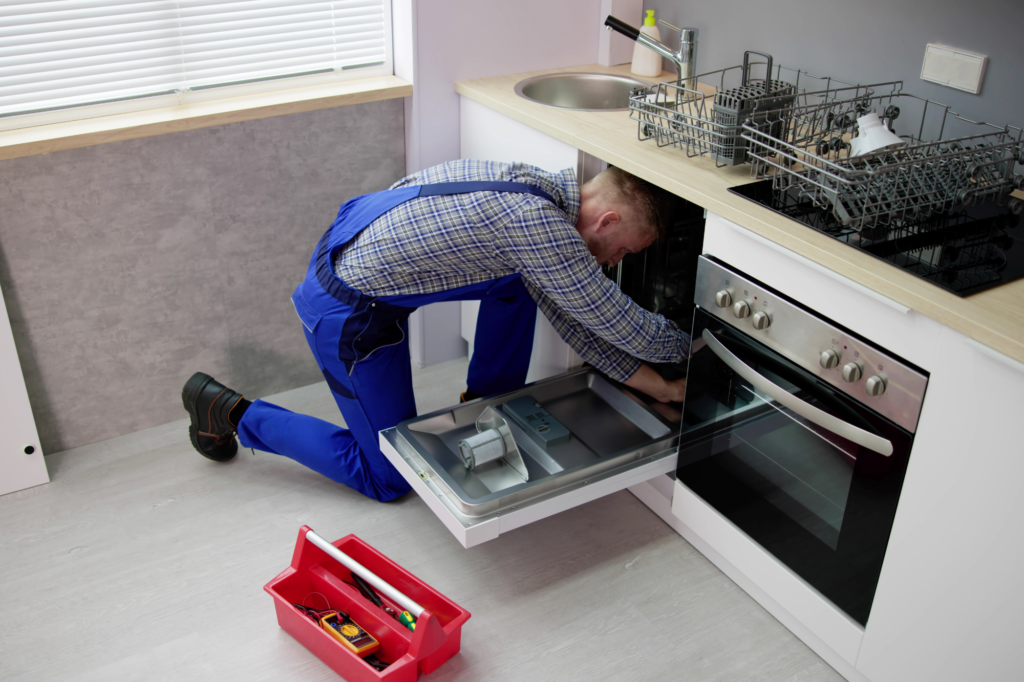
DIY Troubleshooting Before Calling Technician
- Check power supply
- Clean filters
- Reset machine
- Inspect water inlet
- Ensure door is closed properly
If problem continues, professional help is needed.
Benefits of Regular Servicing
- Better cleaning performance
- Lower electricity usage
- Longer machine life
- Fewer breakdowns
- Improved hygiene
FAQs – Beko Dishwasher Repair Dubai Creek Harbour
Why is my Beko dishwasher not cleaning dishes properly?
A Beko dishwasher may fail to clean properly due to clogged spray arms, dirty filters, or low water pressure. Sometimes detergent issues or overloading dishes also reduce cleaning efficiency. In some cases, a faulty circulation pump may be responsible. Regular cleaning of internal parts can improve performance. If the issue continues, professional repair is recommended.
What causes water to remain inside my dishwasher?
Water remaining inside usually indicates a drainage problem. This can be caused by a blocked drain hose, food debris in filters, or a faulty drain pump. Hard water buildup can also slow drainage. Cleaning filters and checking hose connections may help. If the problem persists, technician assistance is required.
Why is my Beko dishwasher making loud noises?
Loud noises often come from worn pumps, foreign objects inside the machine, or motor issues. Sometimes spray arms may hit dishes due to improper loading. Grinding or humming sounds indicate mechanical wear. Ignoring these noises can lead to serious damage. Immediate inspection is recommended to avoid costly repairs.
How often should I service my dishwasher?
It is recommended to service your dishwasher every 6 to 12 months depending on usage. Regular servicing helps remove limescale, clean internal components, and maintain performance. In hard water areas like Dubai Creek Harbour, more frequent maintenance may be needed. Preventive care reduces breakdown risks significantly. It also extends appliance lifespan.
Is it better to repair or replace a Beko dishwasher?
If the issue is minor such as filter blockage or pump cleaning, repair is the best option. However, if the dishwasher has major faults like motor or control board failure and is very old, replacement may be more cost-effective. A professional technician can inspect and guide the best decision. Regular maintenance can delay the need for replacement.
Get Expert Beko Dishwasher Repair Today
Don’t let a faulty dishwasher disrupt your daily routine or waste your valuable time. Whether your Beko dishwasher is not cleaning properly, showing error codes, leaking water, or not starting at all, professional help can restore it to perfect working condition quickly and efficiently. Ignoring small issues can lead to bigger, more expensive problems, so it’s always best to act early.
Our experienced technicians are trained to handle all types of Beko dishwasher problems using the latest tools and genuine spare parts. We provide fast diagnosis, reliable repairs, and long-lasting solutions to ensure your appliance runs like new again. From minor fixes to complex technical faults, we’ve got you covered.
We understand how important a working dishwasher is for your home or business, which is why we offer quick response times and convenient service appointments. Customer satisfaction is our top priority, and we aim to deliver hassle-free repair services you can trust.
Contact us today to schedule your Beko dishwasher repair service and enjoy peace of mind knowing your appliance is in expert hands. Don’t wait—get your dishwasher back to peak performance now!