
In today’s fast-paced lifestyle, a cloth dryer has become an essential home appliance, especially in modern residential areas like Dubai Creek Harbour. With busy schedules and limited time for air drying clothes, residents rely heavily on dryers for convenience and efficiency. Among the leading appliance brands, Beko dryers are widely recognized for their durability, advanced features, and energy-efficient performance.
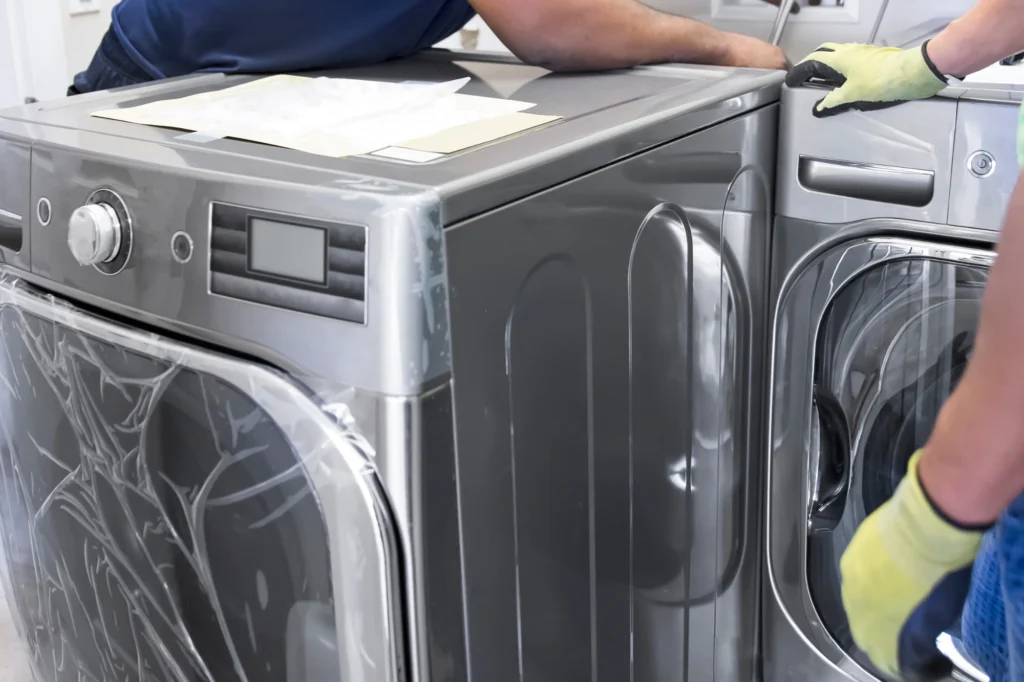
However, even the most reliable appliances can develop faults over time due to continuous usage, environmental conditions, or lack of maintenance. When your dryer stops working properly, it can disrupt your daily routine and cause unnecessary stress. That’s why professional Beko cloth dryer Repair Dubai Creek Harbour services are crucial for restoring your appliance quickly and efficiently.
Why Beko Cloth Dryers Are Popular in Dubai Creek Harbour
Beko dryers are a preferred choice for many households due to their modern technology and user-friendly design.
Key Features:
- Energy-efficient drying systems
- Advanced moisture sensors
- Multiple drying programs
- Quiet operation
- Durable build quality
Despite these advantages, continuous usage and environmental factors like dust and humidity can affect performance over time.
Common Beko Cloth Dryer Pain Points
Understanding common Beko cloth dryer problems is essential for maintaining the efficiency and longevity of your appliance. Dryers are complex machines that rely on multiple components working together, including heating systems, motors, sensors, and airflow mechanisms. When one part fails, it can affect the entire performance of the machine. By recognizing early warning signs and understanding their causes, you can take timely action and avoid costly repairs.
1. Dryer Not Heating Properly
One of the most frequent issues users encounter is a dryer that runs but does not produce enough heat. Without proper heating, clothes remain damp even after a full cycle, making the dryer ineffective.
Causes:
Several factors can lead to heating problems. A faulty heating element is the most common cause, as it is responsible for generating heat inside the dryer. A broken thermostat may fail to regulate the temperature, preventing the heating system from functioning correctly. A blown thermal fuse can also shut down the heating system as a safety precaution. Additionally, electrical issues such as damaged wiring or power fluctuations can affect heating performance.
Solution:
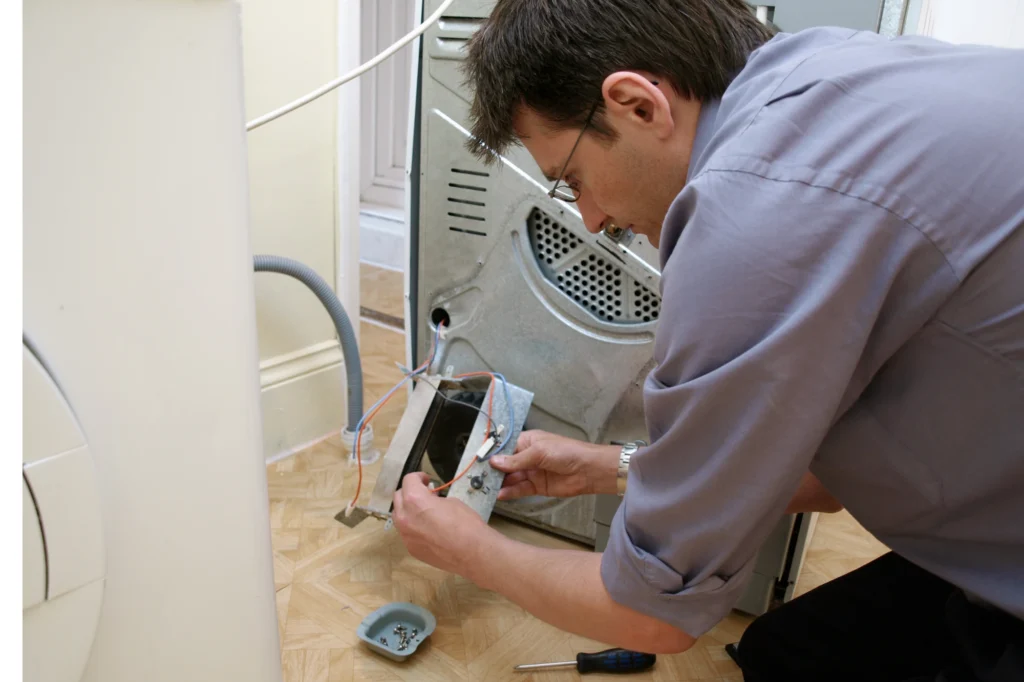
Start by checking the power supply and ensuring the dryer is properly connected. Clean the lint filter and ensure proper airflow, as blocked airflow can reduce heating efficiency. If the problem persists, the heating element, thermostat, or thermal fuse may need to be replaced. Since these components involve electrical systems, professional repair is recommended.
2. Dryer Not Spinning
If the dryer drum is not rotating, your clothes will not tumble, and drying will not occur evenly. This issue can quickly disrupt your laundry routine.
Causes:
A broken drive belt is one of the most common reasons for a non-spinning dryer. The belt connects the motor to the drum, allowing it to rotate. If it snaps or becomes loose, the drum will stop moving. Motor failure is another possible cause, as the motor powers the drum rotation. In some cases, drum obstruction caused by foreign objects or excessive load can prevent proper movement.
Solution:
Inspect the drum for any visible obstructions and remove them. If the belt is broken or worn out, it will need to be replaced. Motor-related issues are more complex and require professional diagnosis and repair. Avoid using the dryer until the issue is fixed to prevent further damage.
3. Dryer Taking Too Long to Dry Clothes
A dryer that takes longer than usual to dry clothes can be frustrating and inefficient. It also increases energy consumption, leading to higher utility bills.
Causes:
A blocked lint filter is one of the main reasons for poor drying performance. When the filter is clogged, airflow is restricted, reducing efficiency. Poor ventilation or blocked exhaust vents can also trap hot air inside the dryer, slowing down the drying process. Overloading the dryer with too many clothes can prevent proper air circulation. Faulty moisture sensors may incorrectly detect dryness levels, causing extended drying cycles.
Solution:
Clean the lint filter after every use to maintain proper airflow. Check the ventilation system and ensure vents are clear of obstructions. Avoid overloading the dryer and follow the manufacturer’s recommended capacity. If the issue continues, the sensors may need calibration or replacement by a professional technician.
4. Dryer Making Unusual Noise
While dryers naturally produce some noise during operation, loud or unusual sounds can indicate underlying problems that should not be ignored.
Causes:
Worn drum rollers are a common cause of squeaking or grinding noises. These rollers support the drum and allow it to rotate smoothly. Loose components such as screws or panels can create rattling sounds. Motor issues may produce buzzing or humming noises, indicating potential failure.
Solution:
Inspect the dryer for loose parts and tighten them if necessary. If the noise persists, internal components such as drum rollers or the motor may need replacement. It is advisable to seek professional repair services to accurately diagnose and fix the issue.
5. Dryer Not Turning On
A dryer that does not turn on at all is a major problem that requires immediate attention. This issue can completely halt your laundry routine.
Causes:
Power supply issues are often the first thing to check. A loose plug, faulty outlet, or tripped circuit breaker can prevent the dryer from starting. A defective control board may also be responsible, as it controls the appliance’s operations. Wiring problems or internal electrical faults can further contribute to this issue.
Solution:
Check the power source and ensure the dryer is properly plugged in. Inspect the circuit breaker and reset it if necessary. If the dryer still does not turn on, the problem may be internal and require professional repair. Avoid attempting to fix electrical components yourself, as it can be dangerous.
Additional Tips for Preventing Dryer Pain Points
Preventive maintenance plays a crucial role in avoiding common dryer issues. Here are some useful tips to keep your Beko dryer running smoothly:
- Clean the lint filter after every use
- Ensure proper ventilation and airflow
- Avoid overloading the dryer
- Regularly inspect the drum and internal components
- Schedule periodic professional servicing
Taking these simple steps can significantly reduce the risk of breakdowns and improve the efficiency of your dryer.
When to Seek Professional Help
While some minor issues can be resolved with basic troubleshooting, many dryer problems require expert attention. You should contact a professional technician if:
- The problem persists after basic troubleshooting
- The dryer shows repeated faults or error codes
- There are electrical or motor-related issues
- The appliance stops working completely
Professional technicians have the expertise and tools needed to diagnose problems accurately and provide long-lasting solutions.
Signs Your Dryer Needs Immediate Repair
- Clothes remain damp after drying
- Burning smell during operation
- Excessive noise or vibration
- Dryer stops mid-cycle
- Error codes appearing frequently
Ignoring these signs can lead to costly repairs.
Cost of Beko Dryer Repair
Costs vary depending on the issue:
- Minor repairs: Affordable
- Sensor replacement: Moderate
- Motor or heating element repair: Expensive
Regular maintenance helps reduce costs.
Benefits of Timely Repair
- Saves energy
- Prevents major breakdowns
- Extends appliance life
- Improves efficiency
- Reduces repair costs
How to Choose the Right Repair Service
- Check customer reviews
- Verify technician experience
- Ask about warranty
- Ensure genuine parts
- Compare pricing
Beko Cloth Dryer Error Codes Explained
Modern Beko cloth dryers are designed with advanced technology that makes laundry easier and more efficient. One of the most useful features in these appliances is the built-in diagnostic system that displays error codes whenever something goes wrong. These codes act as warning signals, helping users and technicians quickly identify the root cause of a problem.
Understanding Beko dryer error codes can save you time, reduce repair costs, and prevent further damage to your appliance. Below is a detailed guide to the most common Beko cloth dryer error codes, their meanings, causes, and possible solutions.
E01 – Door Lock Error
The E01 error code indicates that the dryer door is not properly locked or there is an issue with the door locking mechanism.
Causes:
- Door not fully closed
- Faulty door switch
- Damaged locking mechanism
- Wiring issues
Solution:
Ensure the door is properly closed and nothing is obstructing it. Inspect the door latch and clean any debris. If the issue persists, the door switch or lock may need replacement by a professional technician.
E02 – Heating System Error
The E02 error code signals a problem with the dryer’s heating system, which is essential for drying clothes effectively.
Causes:
- Faulty heating element
- Broken thermostat
- Blown thermal fuse
- Electrical faults
Solution:
Check the power supply and ensure proper airflow. Clean the lint filter and vents to improve efficiency. If the dryer still does not heat, a technician should inspect and replace faulty components.
E03 – Moisture Sensor Fault
The E03 error code indicates a malfunction in the moisture sensor, which detects how dry the clothes are and adjusts the drying cycle accordingly.
Causes:
- Dirty sensor
- Sensor damage
- Wiring issues
- Control board malfunction
Solution:
Clean the moisture sensor with a soft cloth to remove lint or residue. If the problem continues, the sensor may need repair or replacement.
E04 – Motor Error
The E04 error code points to a problem with the motor, which drives the drum and ensures proper rotation.
Causes:
- Motor failure
- Overheating
- Worn-out components
- Electrical issues
Solution:
Turn off the dryer and allow it to cool down. Avoid overloading the machine, as it can strain the motor. Persistent motor issues require professional repair or replacement.
E05 – Control Board Malfunction
The E05 error code indicates a problem with the main control board (PCB), which manages all functions of the dryer.
Causes:
- Electrical surges
- Software glitches
- Damaged PCB
- Loose connections
Solution:
Restart the dryer by unplugging it for a few minutes. If the error remains, the control board may need repair or replacement by a qualified technician.
E06 – Temperature Sensor Error
This error code indicates a fault in the temperature sensor, which monitors heat levels inside the dryer.
Causes:
- Sensor malfunction
- Wiring problems
- Overheating
Solution:
Check for proper ventilation and ensure the dryer is not overheating. If the sensor is faulty, it must be replaced.
E07 – Ventilation Issue
The E07 error code highlights a problem with airflow or ventilation.
Causes:
- Blocked vents
- Clogged lint filter
- Poor air circulation
Solution:
Clean the lint filter and inspect the ventilation system. Proper airflow is essential for efficient drying and preventing overheating.
E08 – Drum Rotation Error
This error code indicates that the drum is not rotating properly.
Causes:
- Broken drive belt
- Motor issues
- Drum obstruction
Solution:
Inspect the drum for blockages and remove any foreign objects. If the belt or motor is damaged, professional repair is required.
Why Error Codes Should Not Be Ignored
Error codes are not just warnings—they are early indicators of potential problems. Ignoring them can lead to:
- Reduced efficiency
- Increased energy consumption
- Permanent damage to components
- Expensive repairs or replacements
Addressing error codes promptly ensures your dryer continues to operate smoothly.
When to Call a Professional Technician
While some error codes can be resolved with basic maintenance, many require expert attention. You should contact a professional if:
- The error code persists after troubleshooting
- The dryer stops working completely
- There are electrical or motor-related issues
- You are unsure about the cause of the problem
Professional technicians can safely diagnose and fix complex issues.
Preventing Future Error Codes
Preventive maintenance is key to avoiding frequent error codes. Follow these tips:
- Clean the lint filter after every use
- Ensure proper ventilation
- Avoid overloading the dryer
- Schedule regular servicing
- Use the dryer according to manufacturer guidelines
Regular care helps maintain efficiency and prolongs the life of your appliance.
Emergency Repair Services
Urgent situations include:
- Electrical faults
- Burning smell
- Complete breakdown
- Dryer not heating
Emergency services provide quick solutions.
Eco-Friendly Dryer Usage
- Use energy-saving modes
- Clean filters regularly
- Dry full loads only
- Avoid excessive cycles
Future of Smart Dryers
Beko dryers are evolving with:
- Smart sensors
- Wi-Fi connectivity
- Energy monitoring
- Auto diagnostics
FAQs
1. How do I know if my Beko dryer needs repair?
If your dryer is not heating, taking too long to dry clothes, making unusual noises, or showing error codes, it likely needs repair. These issues often indicate internal faults that require professional attention. Ignoring them can lead to bigger and more expensive problems over time.
2. What is the average cost of Beko dryer repair?
The cost depends on the type of issue. Minor repairs such as cleaning or small part replacements are affordable, while major repairs like motor or heating element replacement can be more expensive. A technician inspection will provide an accurate estimate.
3. Can I fix my Beko dryer myself?
Basic maintenance like cleaning the lint filter or checking the power supply can be done at home. However, complex issues involving electrical components or internal parts should be handled by professionals to ensure safety and proper repair.
4. How long does a dryer repair take?
Most minor repairs can be completed within a few hours. However, if parts need to be replaced or ordered, it may take longer. Professional repair services aim to complete the job as quickly as possible without compromising quality.
5. How can I extend the life of my dryer?
Regular maintenance, cleaning the lint filter, avoiding overloading, and scheduling annual servicing can significantly extend your dryer’s lifespan. Proper usage and timely repairs also help maintain efficiency and performance.
Call to Action
Don’t let a malfunctioning dryer slow down your daily routine or leave you with damp clothes. If your appliance is not heating, taking too long to dry, or showing error codes, it’s time to act fast. Our expert team specializes in Beko cloth dryer Repair Dubai Creek Harbour, delivering quick, reliable, and cost-effective solutions tailored to your needs.
We understand how essential your dryer is for a comfortable lifestyle, especially in a busy area like Dubai Creek Harbour. That’s why we offer same-day service, skilled technicians, and accurate diagnostics to fix your appliance efficiently. Whether it’s a minor issue or a major breakdown, we use genuine spare parts and advanced tools to ensure long-lasting performance.
Customer satisfaction is at the heart of everything we do. With years of experience and a commitment to quality, we guarantee dependable repairs that save you time, energy, and money.
Don’t wait until the problem gets worse. Contact us today to schedule your Beko cloth dryer Repair Dubai Creek Harbour service and restore your appliance to perfect working condition. Call now or book online for fast and professional assistance!