
When your dishwasher stops working, daily kitchen routines become stressful and time-consuming. For homeowners searching for Beko dishwasher Repair Town Square, having a complete understanding of common problems, solutions, maintenance tips, and professional repair options can save both time and money.
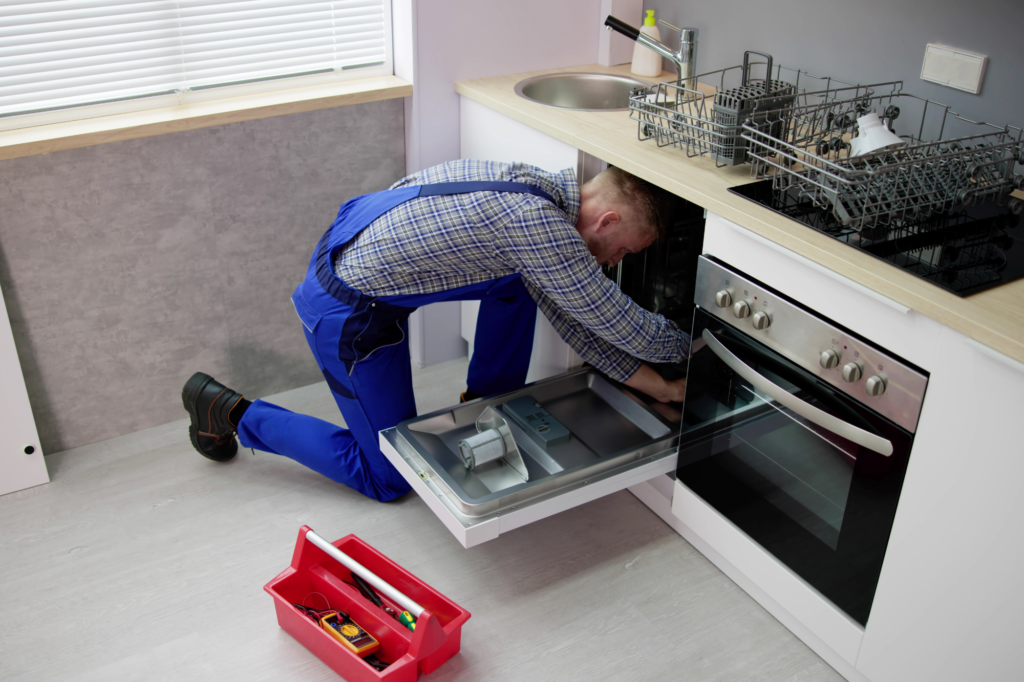
Beko dishwashers are known for their durability, energy efficiency, and modern design. However, like any home appliance, they can develop faults due to continuous usage, water quality issues, or lack of maintenance.
Why Beko Dishwasher Repair in Town Square is Important
Ignoring dishwasher problems can lead to serious consequences.
1. Prevents Water Damage
Leaks or drainage issues can damage kitchen flooring and cabinets.
2. Saves Money
Small repairs are much cheaper than full replacements.
3. Ensures Hygiene
A faulty dishwasher may not clean properly, leaving bacteria on dishes.
4. Extends Appliance Life
Regular servicing increases the lifespan of your Beko dishwasher.
5. Improves Efficiency
Well-maintained dishwashers consume less water and electricity.
Common Pain Points in Beko Dishwashers
Beko dishwashers are known for their affordability, efficiency, and modern features. However, like any household appliance, they can develop issues over time—especially with regular use. Understanding these common problems can help homeowners in Town Square identify faults early, prevent costly repairs, and maintain optimal performance. Below is a detailed explanation of the most frequent Beko dishwasher problems, including their causes, impacts, and practical insights.
1. Dishwasher Not Cleaning Properly
One of the most frustrating issues users face is when dishes come out dirty even after a full wash cycle. This problem not only wastes time but also increases water and electricity usage.
Causes:
- Clogged spray arms: Over time, food particles and mineral deposits can block the tiny holes in spray arms, reducing water pressure.
- Dirty filters: Filters trap food debris, but if not cleaned regularly, they become clogged and restrict water flow.
- Low water pressure: Insufficient water pressure can prevent proper spraying and rinsing.
- Incorrect detergent usage: Using low-quality detergent or incorrect amounts can reduce cleaning effectiveness.
Impact:
- Dishes remain greasy or stained
- Need for re-washing increases workload
- Higher utility bills due to repeated cycles
Regular cleaning of filters and spray arms, along with proper detergent use, can significantly improve performance.
2. Dishwasher Not Draining Water
Standing water at the bottom of the dishwasher is a common and concerning issue. It indicates a drainage problem that should be addressed promptly.
Causes:
- Blocked drain hose: Food particles or grease can clog the hose, preventing water from exiting.
- Faulty drain pump: If the pump is damaged or worn out, it won’t effectively remove water.
- Food debris buildup: Accumulation of debris in the filter or sump area can block water flow.
Impact:
- Foul odors due to stagnant water
- Unsanitary washing conditions
- Risk of water overflow or leakage
To avoid this issue, users should regularly clean the filter and ensure no large food particles enter the dishwasher.
3. Dishwasher Not Starting
A dishwasher that refuses to start can disrupt daily routines and cause inconvenience, especially in busy households.
Causes:
- Faulty door latch: If the door is not securely closed, the machine won’t start.
- Electrical issues: Problems with power supply, wiring, or fuse can prevent operation.
- Control board failure: The electronic control board may malfunction due to wear or power surges.
Impact:
- Complete appliance shutdown
- Delay in kitchen tasks
- Need for professional diagnosis and repair
Checking the power supply and ensuring the door is properly closed are the first steps in troubleshooting this issue.
4. Water Leakage
Water leakage is one of the most serious dishwasher problems, as it can cause damage beyond the appliance itself.
Causes:
- Damaged door seal: Over time, the rubber gasket around the door can wear out or crack.
- Loose hose connections: Improperly connected or worn hoses can leak during operation.
- Cracked internal components: Internal parts such as the tub or pump housing may develop cracks.
Impact:
- Damage to kitchen flooring
- Risk of electrical hazards
- Growth of mold and mildew
Immediate attention is required when leakage is detected. Replacing seals or tightening connections can often resolve minor leaks.
5. Strange Noises During Operation
Dishwashers are designed to operate quietly, so unusual noises are a clear sign of a problem.
Causes:
- Broken pump: A damaged pump can produce grinding or humming noises.
- Loose spray arm: If the spray arm is not properly secured, it may hit dishes or the interior walls.
- Worn motor bearings: Over time, motor components can wear out and create loud sounds.
Impact:
- Disruption in household environment
- Potential damage to internal components
- Reduced appliance lifespan
Ignoring strange noises can lead to more severe mechanical failures, so early inspection is recommended.
6. Dishwasher Not Drying Dishes
Another common complaint is when dishes come out wet after the cycle is complete. Proper drying is essential for hygiene and convenience.
Causes:
- Heating element failure: The heating element is responsible for drying dishes; if it fails, moisture remains.
- Rinse aid issues: Lack of rinse aid or incorrect usage can affect drying efficiency.
- Faulty thermostat: A malfunctioning thermostat may prevent the heating element from working properly.
Impact:
- Wet dishes requiring manual drying
- Increased risk of bacteria growth
- Reduced convenience
Using rinse aid and selecting the appropriate drying settings can help improve results.
7. Bad Smell from Dishwasher
Unpleasant odors coming from the dishwasher can make the kitchen environment uncomfortable and indicate hygiene issues.
Causes:
- Food residue buildup: Leftover food particles can rot and produce bad smells.
- Dirty filter: A clogged filter traps debris and becomes a source of odor.
- Standing water: Water that doesn’t drain properly can become stagnant and smell.
Impact:
- Unhygienic cleaning environment
- Transfer of odor to dishes
- Unpleasant kitchen atmosphere
Regular cleaning and maintenance are essential to prevent odors. Running a cleaning cycle with vinegar or specialized cleaners can help eliminate smells.
Environmental Benefits of Repairing Dishwashers
- Reduces electronic waste
- Saves water resources
- Minimizes landfill contribution
- Promotes sustainability
Beko Dishwasher Error Codes
Beko dishwashers are equipped with advanced diagnostic systems that display error codes whenever something goes wrong. These codes are extremely helpful because they allow users and technicians to quickly identify the problem without guesswork. Understanding these error codes can save time, reduce repair costs, and prevent further damage to your appliance. Below is a comprehensive guide to the most common Beko dishwasher error codes, their meanings, causes, and solutions.
1. Error Code E01 – Water Inlet Issue
Meaning:
This error indicates that the dishwasher is not receiving enough water or no water at all.
Causes:
- Closed or partially closed water supply valve
- Kinked or blocked inlet hose
- Faulty water inlet valve
- Low water pressure in the home
Solution:
Check that the water tap is fully open and inspect the inlet hose for bends or blockages. If the issue persists, the inlet valve may need replacement.
Impact:
Without sufficient water, the dishwasher cannot run properly, leading to incomplete or failed wash cycles.
2. Error Code E02 – Drainage Problem
Meaning:
The dishwasher is unable to drain water effectively.
Causes:
- Blocked drain hose or filter
- Faulty drain pump
- Food debris buildup
Solution:
Clean the filter and drain hose thoroughly. Ensure there are no obstructions. If necessary, have the drain pump checked by a technician.
Impact:
Standing water can cause bad odors, hygiene issues, and potential leakage.
3. Error Code E03 – Heating Fault
Meaning:
The appliance is not heating water to the required temperature.
Causes:
- Defective heating element
- Faulty thermostat
- Wiring issues
Solution:
This usually requires professional repair. The heating element or thermostat may need replacement.
Impact:
Poor cleaning performance and wet dishes after the cycle.
4. Error Code E04 – Overflow Detection
Meaning:
The dishwasher has detected too much water inside the unit.
Causes:
- Faulty float switch
- Overfilling due to inlet valve issues
- Excess detergent causing foam overflow
Solution:
Turn off the machine immediately. Check for excessive detergent use and inspect the float switch.
Impact:
Risk of water leakage and kitchen damage.
5. Error Code E05 – Pump Failure
Meaning:
The circulation pump is not functioning correctly.
Causes:
- Worn-out pump motor
- Electrical faults
- Blockages inside the pump
Solution:
Inspect for blockages. If the pump is damaged, it must be replaced.
Impact:
Water will not circulate properly, resulting in dirty dishes.
6. Error Code E06 – Door Switch Problem
Meaning:
The dishwasher door is not properly closed or detected.
Causes:
- Faulty door latch
- Misaligned door
- Damaged door switch
Solution:
Ensure the door is fully closed. If the issue continues, replace the latch or switch.
Impact:
The dishwasher will not start or may stop mid-cycle.
7. Error Code E07 – Turbidity Sensor Fault
Meaning:
The sensor that detects water cleanliness is malfunctioning.
Causes:
- Dirty or damaged sensor
- Electrical connection issues
Solution:
Clean the sensor gently. If it’s faulty, it will need replacement.
Impact:
Incorrect wash cycles, leading to inefficient cleaning.
8. Error Code E08 – Fan or Drying Issue
Meaning:
The drying system is not working properly.
Causes:
- Faulty fan motor
- Heating issues
- Wiring problems
Solution:
Professional inspection is recommended to repair or replace the faulty component.
Impact:
Dishes remain wet after the cycle.
9. Error Code E09 – Heating Element Failure
Meaning:
The heating element is completely non-functional.
Causes:
- Burnt-out heating element
- Electrical faults
Solution:
Replace the heating element.
Impact:
No hot water, poor cleaning, and no drying.
10. Error Code E10 – Water Level Issue
Meaning:
Incorrect water level detected inside the dishwasher.
Causes:
- Faulty pressure switch
- Blocked water level sensor
- Inlet valve malfunction
Solution:
Check sensors and replace faulty components.
Impact:
Improper washing and potential overflow.
11. Error Code E11 – Temperature Sensor Error
Meaning:
The temperature sensor is not working correctly.
Causes:
- Sensor failure
- Wiring issues
Solution:
Replace the faulty sensor.
Impact:
Incorrect water temperature, affecting wash quality.
12. Error Code E17 – Water Leakage Detected
Meaning:
The anti-flood system has detected water leakage.
Causes:
- Internal leaks
- Loose hoses
- Damaged seals
Solution:
Turn off the dishwasher immediately and inspect for leaks. Professional repair is recommended.
Impact:
Serious risk of water damage and electrical hazards.
Future of Beko Dishwasher Technology
Modern dishwashers are becoming smarter:
- AI-based washing cycles
- Water-saving sensors
- Energy-efficient motors
- Smart mobile control
Regular maintenance ensures these features work properly.

FAQs – Beko Dishwasher Repair Town Square
1. Why is my Beko dishwasher not cleaning dishes properly?
This issue is usually caused by clogged spray arms, dirty filters, or low water pressure inside the machine. When these components are blocked, water cannot circulate effectively to clean dishes. Using the wrong detergent or overloading the dishwasher can also reduce cleaning performance. Regular maintenance, including cleaning filters and spray arms, typically resolves this problem. If the issue continues, professional servicing may be required.
2. How long does dishwasher repair take?
Most dishwasher repairs are completed within 1 to 3 hours, depending on the complexity of the issue. Minor problems like clogged filters or hose blockages can be fixed quickly. However, if parts such as pumps or control boards need replacement, it may take longer. The availability of spare parts also affects repair time. A professional technician can provide a more accurate estimate after inspection.
3. Is it safe to use a leaking dishwasher?
No, using a leaking dishwasher is not safe and should be avoided immediately. Water leakage can damage your kitchen floor and cabinets over time. More importantly, it increases the risk of electrical hazards, which can be dangerous. Even a small leak can turn into a major problem if ignored. It is always best to stop using the appliance and get it repaired as soon as possible.
4. Why does my dishwasher smell bad?
Bad odors in a dishwasher are usually caused by food debris buildup and standing water inside the unit. When leftover food particles are not cleaned regularly, they begin to decompose and create unpleasant smells. Dirty filters and clogged drains also contribute to this issue. Running a cleaning cycle and maintaining regular hygiene can prevent odors. Using vinegar or dishwasher cleaners can also help eliminate smells.
5. Should I repair or replace my dishwasher?
The decision depends on the cost of repair and the age of your dishwasher. If the repair cost is more than 50% of the price of a new unit, replacement is usually a better option. Older machines are also more likely to develop recurring issues, increasing long-term expenses. However, minor repairs on newer models are often worth fixing. Consulting a technician can help you make the right decision.
Get Your Beko Dishwasher Running Like New Again
Don’t let a faulty dishwasher disrupt your daily routine or add unnecessary stress to your kitchen tasks. Whether your Beko dishwasher is not cleaning properly, leaking, making strange noises, or showing error codes, timely repair can save you from bigger and more expensive problems. Ignoring small issues today can lead to major breakdowns tomorrow, increasing repair costs and inconvenience.
Our expert technicians are ready to diagnose and fix all types of Beko dishwasher problems quickly and efficiently. With professional tools, genuine spare parts, and years of experience, we ensure reliable and long-lasting solutions. From minor maintenance to complex repairs, we handle everything so you can enjoy hassle-free performance again.
Don’t wait until the problem gets worse. Take action now and restore your dishwasher’s efficiency, hygiene, and performance. Contact us today to schedule a fast and affordable repair service in Town Square. Your convenience and satisfaction are our top priorities—let us help you get your appliance back to perfect working condition.